Our story

Moodeng started with two people who couldn’t look away.

Moodeng began with people we cared about, a system that kept failing them, and the uncomfortable feeling that accepting it would make us part of it.

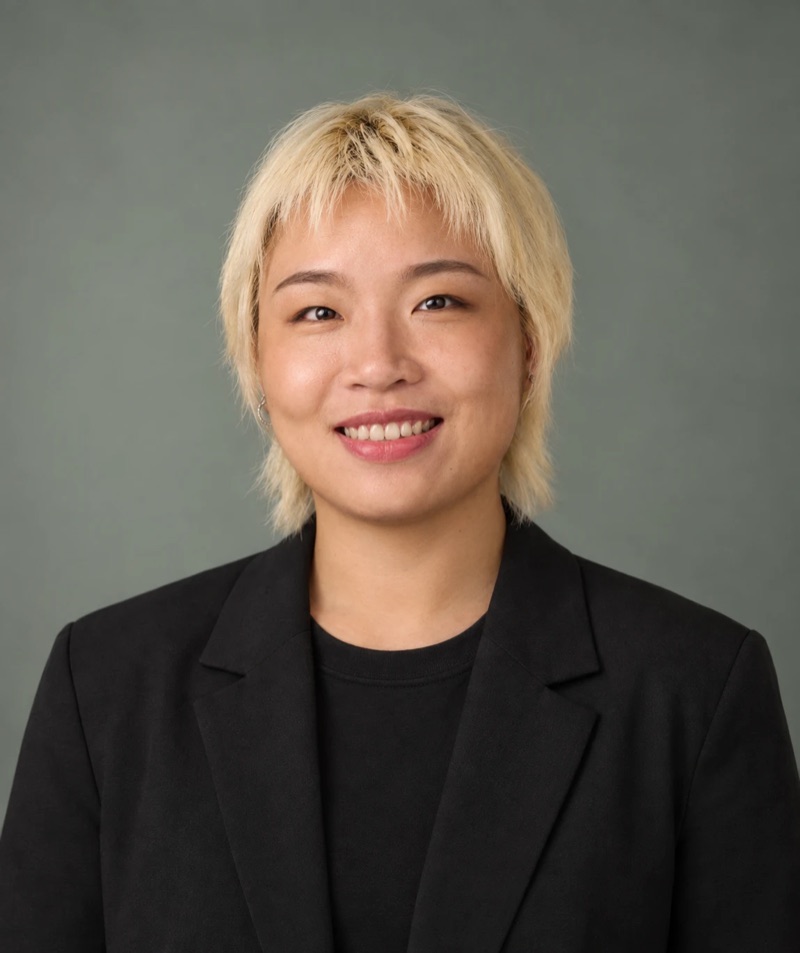
Emma, co-founder of Moodeng Credit
EmmaCommunity, borrower voice, and the reason Moodeng feels human View LinkedIn

What she brings to Moodeng

  • Education founder Built U-Bridge Education, serving 200+ students each year.
  • Product builder Created learning products for 1,000+ students and a business unit later acquired by Learn Corporation.
  • Community operator Launched wikiHow Thailand with a 20+ person translation and editorial team.

Chulalongkorn University · Thammasat University · Volunteer teacher since 2010

Emma’s story

She saw what debt could do inside a home.

Emma grew up in Thailand, where a small informal loan can arrive quickly and quietly, then grow into something that takes over a family’s life. She watched the same pattern repeat: a manageable amount, a number that kept growing, collectors, fear, and shame.

She watched it push people she loved into depression. She lost friends not to the debt itself, but to what the debt did to them. That is why this work is personal. A loan should never be able to make someone feel that their life is worth less than what they owe.

Before Moodeng, Emma spent a decade building education products and guiding students and families through high-stakes decisions. She brings that practice into Moodeng’s smallest details: whether a sentence sounds judgmental, asking for help feels humiliating, or a difficult day gets treated like a personal failure.

Her belief is simple: credit should build people up, not bury them.

What happens after someone borrows matters as much as what happens before.

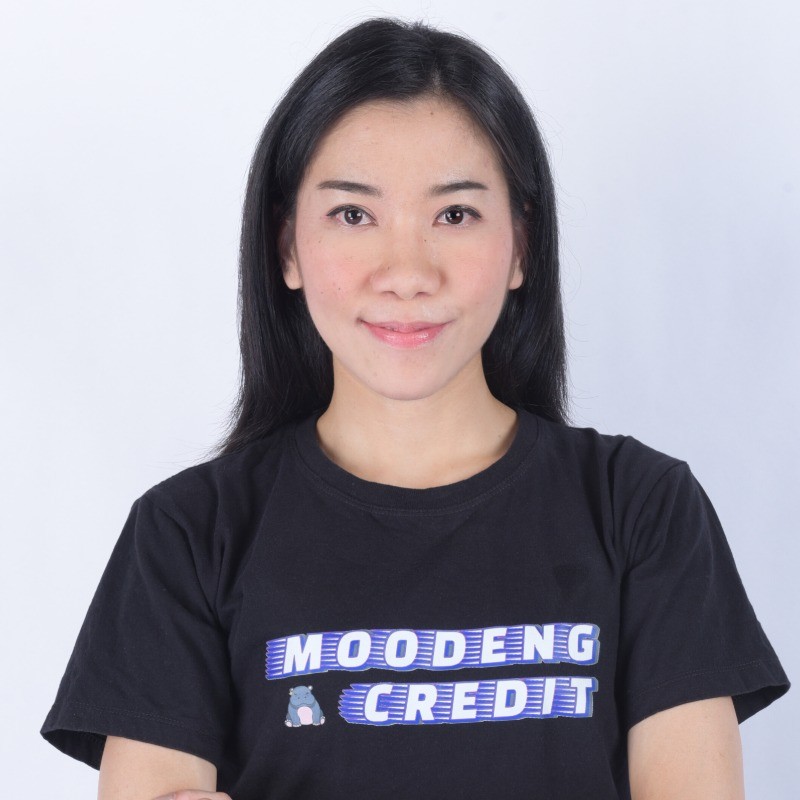
George, co-founder of Moodeng Credit
GeorgeProduct, operations, and the person reading the support messages View LinkedIn

Experience and education

  • Merchant Partners
  • University of Edinburgh

Selected consulting clients

  • and others

George’s story

He saw how systems could care and still leave people out.

George came to Moodeng through institutions, including UNHCR, the UN Refugee Agency, that work at the scale of systems. He saw serious people trying to improve development and access. He also saw how easily an ordinary problem could fall below that scale.

That distance stayed with him: the gap between a system’s intention and a person’s actual Tuesday. A school payment is due. A motorbike needs repairing. The amount is too ordinary for a big institution and too urgent to ignore.

Moodeng became a way to work close enough to see whether help really lands. George builds the product, works through the operational mess, and reads the confusing or frustrated messages himself. Care has to be visible in what happens next.

His test is practical: if it does not help a real person move forward, it is not finished.

Celeste, contract product designer
CelesteContract product designer

Also on the team

Celeste

Product designer with 7 years across fintech and consumer apps, 1M+ users designed for across 11 languages — now helping make the Moodeng borrowing experience clear and fair.

How we work together

Moodeng lives between two questions.

Emma keeps us close to how credit feels.

Will this make someone feel smaller?

George keeps us honest about whether it works.

Will this actually help when Tuesday goes wrong?

The product has to answer both.

The promises we made to each other

If Moodeng grows, these cannot get smaller.

  • 01

    Never turn collection into humiliation.

  • 02

    Never confuse more data with more dignity.

  • 03

    Never hide behind “the system” when someone needs an answer.

  • 04

    Stay close enough to hear when we are wrong.

Talk to the people building it

If Moodeng stops feeling human, tell us.

Tell us what feels unclear, unfair, or unlike the Moodeng we say we are building. Emma and George read the messages.